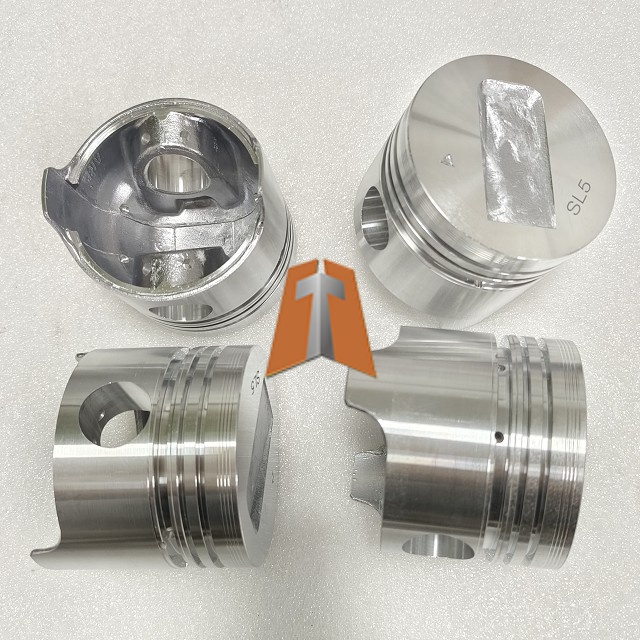
The S4L2 Piston 31A17-07100 is a high-quality, precision-engineered replacement component designed specifically for Mitsubishi S4L2 series engines. This piston is crucial for maintaining optimal engine performance, efficiency, and longevity. Manufactured to exacting standards, it ensures a perfect fit and reliable operation within your engine's combustion system. Investing in a quality piston like the 31A17-07100 is key to restoring engine compression, reducing oil consumption, and maximizing power output for a wide range of industrial and agricultural applications.
| Parameter | Details |
|---|---|
| Part Number | 31A17-07100 |
| Engine Compatibility | Mitsubishi S4L2 Diesel Engines |
| Component Type | Engine Piston |
| Material | High-strength Aluminum Alloy (typical for diesel pistons) |
| Design Features | Optimized for heat dissipation and wear resistance, precise fit for cylinder bore, designed to meet OEM specifications. |
Optimal Engine Performance: Restores lost compression and ensures efficient combustion, leading to improved power and fuel economy.
Enhanced Durability: Constructed from robust materials, designed to withstand the extreme temperatures and pressures within the combustion chamber, ensuring a long service life.
Precision Fit: Manufactured to strict tolerances, guaranteeing a perfect fit with S4L2 engine components for seamless operation.
Reduced Oil Consumption: Helps maintain proper sealing with cylinder walls, minimizing oil bypass and consumption.
Reliable Replacement: An ideal choice for rebuilding or repairing Mitsubishi S4L2 engines, ensuring continued reliable operation of your machinery.
The S4L2 Piston 31A17-07100 is specifically designed for use in a variety of equipment powered by the Mitsubishi S4L2 Diesel Engine. This versatile engine is commonly found in:
Generators: AMI, Broadcrown, Eisemann, GEKO, HFL Mantech, Ingersoll Rand, JF Marine Power BV, K&G, Kohler SDMO, Mastervolt
Excavators: Atlas, Caterpillar Mini Excavators, Hanix, Hyundai Heavy, Kato
Forklifts: Clark
Mini Tractors / Tractors: Deutz-Fahr, Lamborghini, LG Tractors, MAM (AG Machinery), Massey Ferguson
Refrigeration Units: Frigoblock
Wheel Loaders: Furukawa
Light Towers: Magnum
The Mitsubishi S4L2 engine, and by extension the 31A17-07100 piston, plays a critical role in demanding operational environments. Here are some typical application scenarios and how a well-functioning piston contributes:
Construction Sites (Excavators): In mini-excavators (e.g., Atlas, Caterpillar, Hyundai), the S4L2 engine provides the robust power needed for digging, trenching, and material handling. A high-quality piston ensures consistent compression and power delivery, critical for continuous operation and preventing costly downtime. Case Study: A construction company replaced a worn piston in their S4L2-powered mini-excavator, which was experiencing reduced power and increased smoke. Post-replacement, the excavator regained its original digging force and fuel efficiency, allowing projects to stay on schedule and within budget.
Agricultural Operations (Tractors): For mini-tractors like those from Deutz-Fahr or Lamborghini, the S4L2 engine provides the necessary torque for tilling, planting, and harvesting. Reliable piston performance ensures the engine can handle heavy loads and continuous operation in varied field conditions. Case Study: A farm with an aging S4L2 tractor experienced decreased productivity due to an engine misfire and power loss. After replacing the piston and rings, the tractor's engine ran smoothly, providing reliable power for demanding agricultural tasks, extending the equipment's lifespan and avoiding the expense of a new tractor.
Emergency Power & Remote Sites (Generators): S4L2 engines are widely used in portable and standby generators (e.g., Kohler SDMO, Ingersoll Rand) to provide reliable electrical power. The piston's integrity directly impacts the generator's ability to maintain stable voltage and frequency, especially during critical operations or outages. Case Study: A remote communication tower relied on an S4L2-powered generator. When the generator started showing signs of wear with unstable output, a technician identified a failing piston. Replacing it ensured uninterrupted power supply, safeguarding critical communication infrastructure.
When performing maintenance or a full rebuild on an S4L2 engine, several other components are often replaced alongside or in conjunction with the piston to ensure comprehensive repair and optimal engine health. These include:
Piston Ring Sets: Essential for sealing the combustion chamber and managing oil. Critical for maintaining compression and preventing oil consumption.
Connecting Rods: Connect the piston to the crankshaft, transmitting the force generated by combustion.
Cylinder Liners/Sleeves: The surface against which the piston and piston rings move. Wear or damage here necessitates replacement to maintain proper sealing and prevent premature piston wear.
Main and Con-Rod Bearings: Support the crankshaft and connecting rods, crucial for smooth engine rotation and preventing friction.
Gasket Sets: Including head gaskets, oil pan gaskets, and valve cover gaskets, vital for sealing various engine components and preventing leaks.
Engine Overhaul Kits: Often include all the above components for a complete engine rebuild, suitable for extensively worn S4L2 engines.
These products are applicable to all equipment utilizing the Mitsubishi S4L2 engine, as they are integral components of the engine itself, regardless of the end-use application (e.g., generators, excavators, tractors).
Proper installation and ongoing maintenance are crucial for the longevity and performance of the S4L2 Piston 31A17-07100 and the engine as a whole. Here are common issues and their solutions:
Misaligned Assembly: Incorrect alignment of piston rings with grooves can compromise combustion chamber sealing and cause irregular cylinder wear.
Solution: Carefully follow manufacturer's guidelines for ring orientation and use a piston ring compressor for smooth, aligned installation.
Incorrect Piston Ring Gap: Excessive gap leads to combustion gas leakage (blow-by); insufficient gap causes excessive friction and overheating.
Solution: Always measure piston ring end gap using feeler gauges and adjust if necessary (filing, if permitted by ring type) to meet specifications.
Damaged Oil Scraper Rings: Applying too much force during installation can deform sensitive scraper rings, leading to oil buildup in the combustion chamber.
Solution: Use specialized piston ring pliers/expanders and apply gentle, even pressure during installation.
Inadequate Lubrication: Installing a dry piston or cylinder can cause immediate wear upon initial engine start-up.
Solution: Liberally lubricate the piston, piston rings, cylinder walls, and wrist pin with clean engine oil before assembly.
Dirt or Debris: Presence of foreign particles during assembly can cause scoring or damage to cylinder walls and piston skirts.
Solution: Ensure all components and the work area are immaculately clean. Wipe cylinder bores and pistons thoroughly before assembly.
Scuffing and Seizure: Caused by insufficient lubrication between the piston and cylinder wall, leading to excessive friction and heat.
Solution: Regular oil changes with the correct type and viscosity of engine oil are paramount. Ensure adequate oil levels.
Cracking: Often due to excessive heat or pressure from detonation/pre-ignition, or prolonged use of low-quality fuel.
Solution: Use high-quality fuel. Maintain cooling system effectiveness. Ensure proper fuel injection timing and quality.
Ring Sticking: Carbon deposits can cause piston rings to stick in their grooves, preventing proper sealing and leading to blow-by and increased oil consumption.
Solution: Use quality fuel and engine oil. Regular engine check-ups can detect early signs.
Worn Piston Rings: Naturally occurs over time, leading to white smoke from the tailpipe and increased oil consumption.
Solution: Replace piston rings during scheduled engine overhauls or when symptoms appear.
Piston Slap: A knocking noise indicating too large a gap between the piston and cylinder wall, often due to wear.
Solution: Requires engine disassembly to inspect and potentially replace pistons or re-bore cylinders if wear is excessive.
Always consult the Mitsubishi S4L2 engine service manual for specific torque specifications, clearances, and detailed installation procedures.
Click the button below to visit our Facebook profile and stay updated with the latest news and updates!
Visit Facebook Profile
 English
 English